Hi, I'm Alex, a Seattle-based Product Designer with 15 years of experience. I help startups and organizations turn ideas into intuitive digital products, specializing in product strategy, UI/UX design, and design systems to create custom, scalable, and accessible experiences that balance user needs with business goals. More
Outside of work you can likely find me outdoors, playing sports, hiking, or spending time with family. I also enjoy reading, learning new subjects, and playing the guitar—outlets that fuel my passion for problem-solving both in life and design.If you're looking for a designer who’s driven by change, curiosity, and collaboration, feel free to connect and let's create something amazing together.
CASE STUDIES

+
Work samples available upon request.

+
Work samples available upon request.

+

Overview
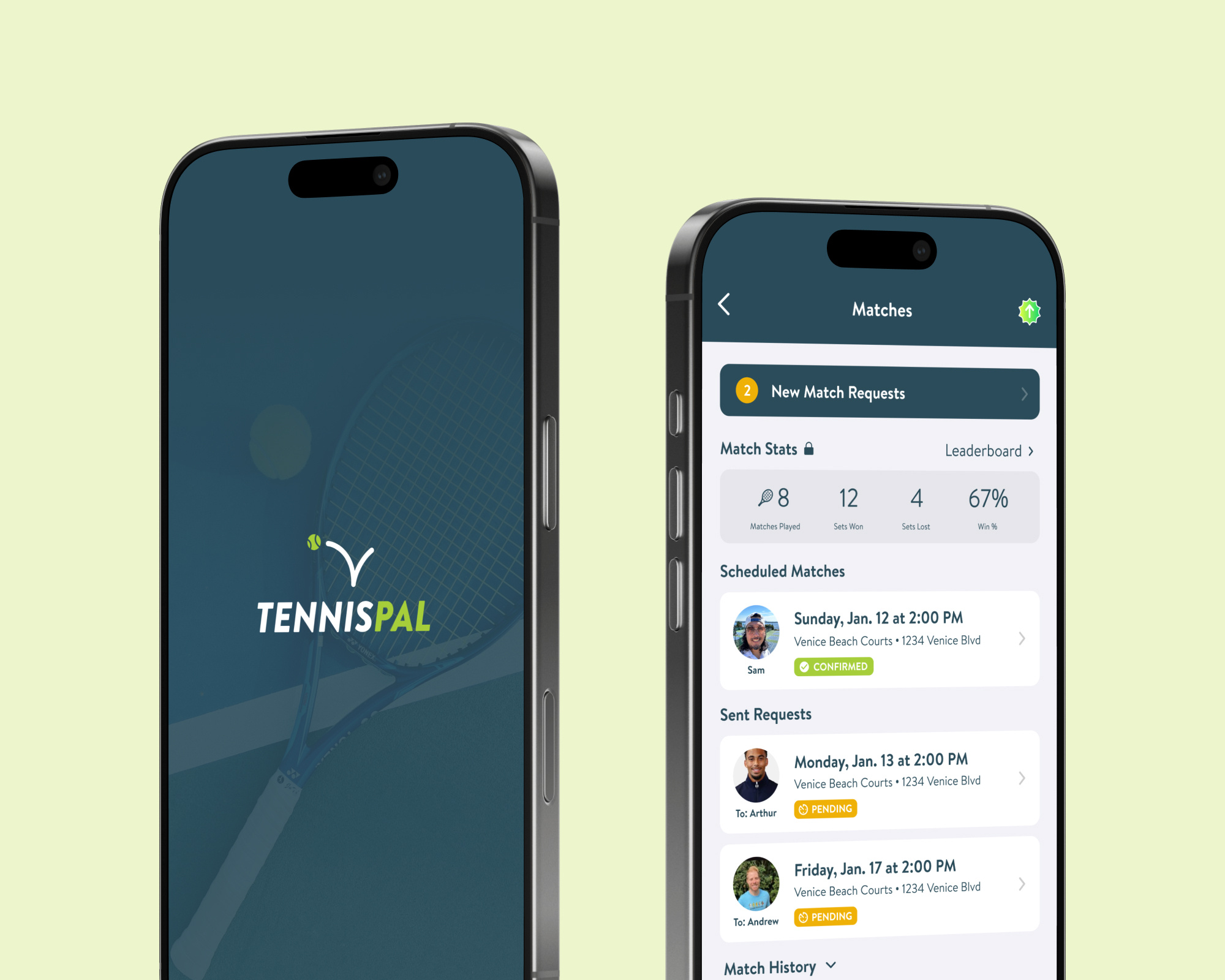
TennisPal, a tennis app designed to connect players with local hitting partners, faced challenges with user retention and growth. The onboarding process was overly complicated, and users struggled to find and schedule matches, leading to frustration and drop-offs. The app also needed to increase paid subscriber adoption and revenue while preparing for future scalability.
Role
As a UX Consultant for TennisPal, I collaborated with the CEO to strategize and brainstorm ways to increase paid subscriptions and help scale the app. I leveraged my experience as both a designer and an avid tennis player to improve the app from a user perspective and add new features that I know tennis players would use and love. I started by streamlining the onboarding process of the existing app and conceptualizing a Match Scheduling feature to enhance usability and boost retention.

Challenge
My goal was to simplify the app’s onboarding flow down to no more than 3 screens and create a more intuitive way for users to find and schedule matches within the app. These improvements aimed to increase user satisfaction, encourage repeat engagement, and ultimately drive paid subscriptions and revenue growth.
Approach
I conducted user interviews to identify pain points and analyzed app usage data to uncover trends and opportunities. Drawing from my personal experience as a tennis player and user of TennisPal, I conceptualized and designed the Match Scheduling feature. This new tool allowed users to seamlessly align schedules with potential partners, addressing a key pain point in the user journey.

Result
The redesign resulted in a 20% increase in onboarding completion rates and a 30% improvement in match scheduling efficiency. Users reported higher satisfaction with the app’s ease of use, and engagement metrics showed steady growth post-launch. The Match Scheduling feature became a core part of the app’s experience, helping to retain users and laying the foundation for increased paid subscriptions and long-term scalability.


+

Overview
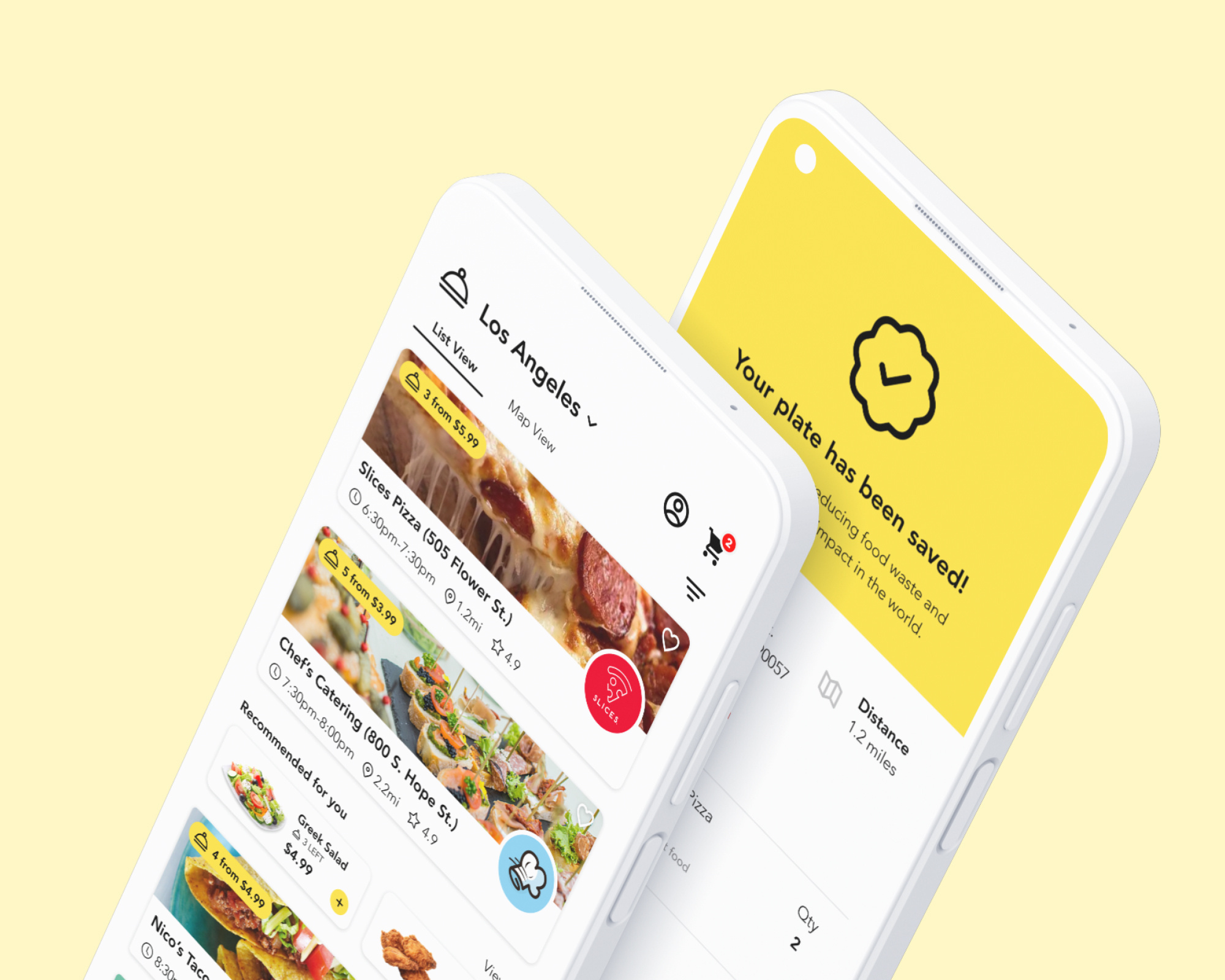
Saveplates was a social enterprise project aimed at reducing food waste by connecting consumers with local restaurants offering surplus or near-expired food at discounted prices. With a twofold mission to reduce food waste and provide affordable meals, Saveplates aimed to create an impact on the environment and in the community.
Role
As the founding designer, I took the app from 0>1 while collaborating with a few other entrepreneurs over the course of a year. The mission was to give unsold food a second chance and work toward ending world hunger, providing a win-win scenario for restaurants and budget-conscious diners alike.
Challenge
Saveplates aimed to address the challenge of efficiently connecting restaurants with surplus food to consumers in a way that was both timely and convenient. Restaurants needed a simple way to list surplus meals before they expired, while consumers wanted an easy way to find affordable, quality meals quickly.My goal was to design an intuitive app experience that would bridge the gap between restaurants and consumers, ensuring meals could be listed, discovered, and purchased quickly to minimize waste and maximize convenience.
Approach
I conducted in-depth user research, including interviews, surveys, and observations at restaurants and dining halls, to identify pain points and key needs. Using these insights, I created user personas and stories to better empathize with users before designing wireframes and prototypes for a platform that prioritized speed, simplicity, and transparency.


Result
Although we couldn’t secure funding to bring Saveplates to market, the project demonstrated strong user interest in reducing food waste through affordable meals. The research and design process showed how thoughtful UX can solve time-sensitive problems while balancing the needs of multiple user groups. This experience gave me valuable insights into creating efficient and impactful solutions for complex social challenges.

+

Overview
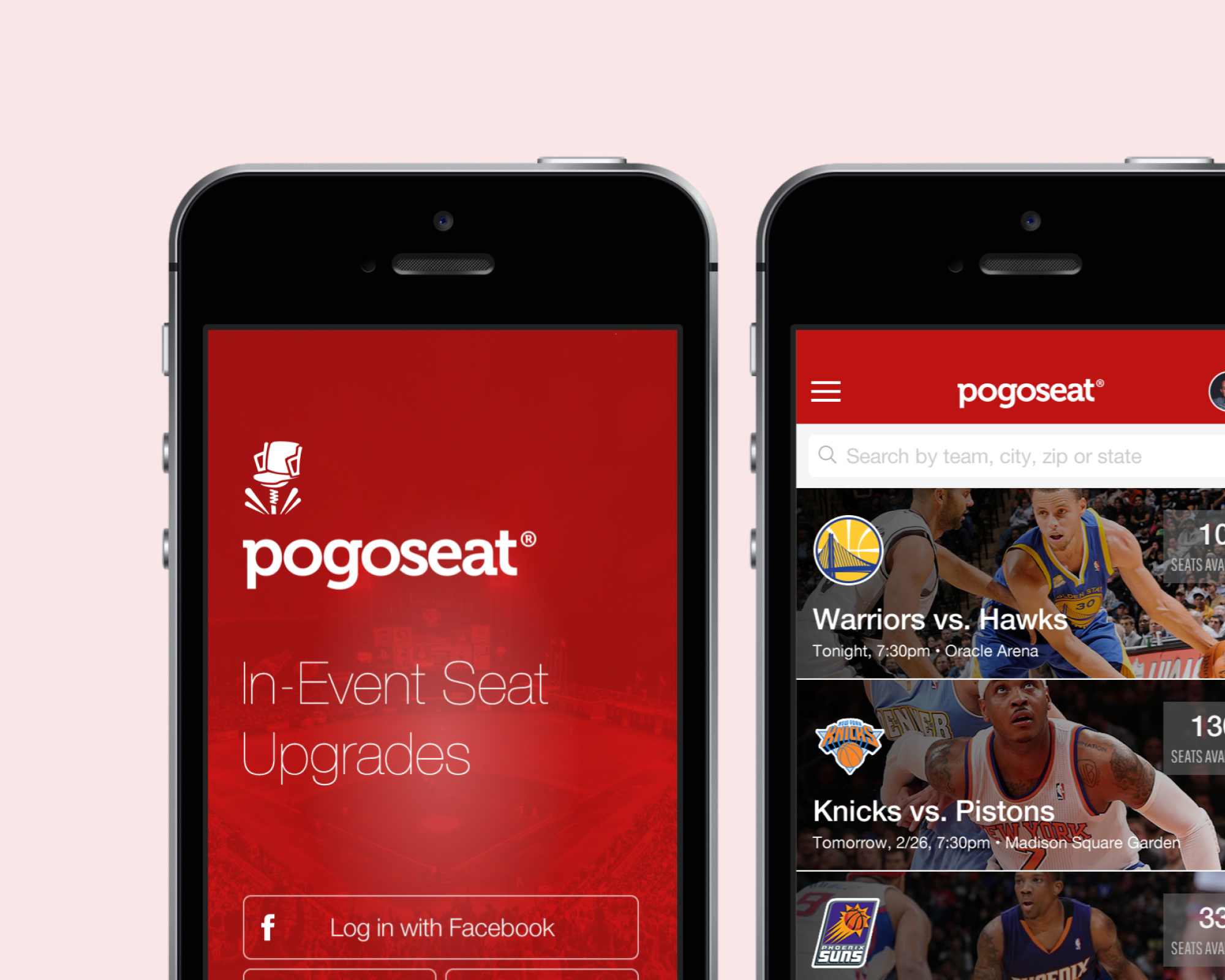
Pogoseat is a mobile ticketing platform designed to enhance the live event experience by allowing users to seamlessly upgrade their seats at the beginning of or during events. Founded with the vision of transforming how fans engage with live entertainment, Pogoseat aims to provide real-time ticketing solutions that cater to sports, concerts, and other live performances.
Role
As Senior Product Designer, my primary goal was to improve the user experience by streamlining the ticket-purchasing and seat-upgrade processes. I hoped to increase user engagement and ultimately boost revenue for the early stage startup by making the app more intuitive and personalized.

Challenge
Pogoseat, a mobile ticketing platform, struggled with poor user retention due to a confusing navigation system and a cumbersome seat upgrade process. The app needed a redesign to provide a more intuitive experience for live event attendees.

Approach
I conducted user interviews, surveys, and competitor analysis to identify pain points. Using these insights, I redesigned the app with a focus on intuitive navigation and accessibility. I also created a smoother seat upgrade flow that required fewer steps, making the process faster and more user-friendly.
Result
The redesign led to a 40% increase in user engagement and a 20% boost in revenue within the first three months post-launch. Users reported a significantly improved experience, validating the value of a streamlined design tailored to their needs.
Reflection
The Pogoseat redesign had a immediate impact in boosting user engagement and revenue. A memorable moment came when a user shared how an effortless seat upgrade transformed their night at a concert, reminding me why I love what I do.This project highlighted the importance of deeply understanding user needs and addressing specific issues with targeted solutions. Empathy and early user feedback were crucial in aligning the design with expectations, while the process emphasized adaptability and continuous improvement to create meaningful, impactful solutions.

+

Overview
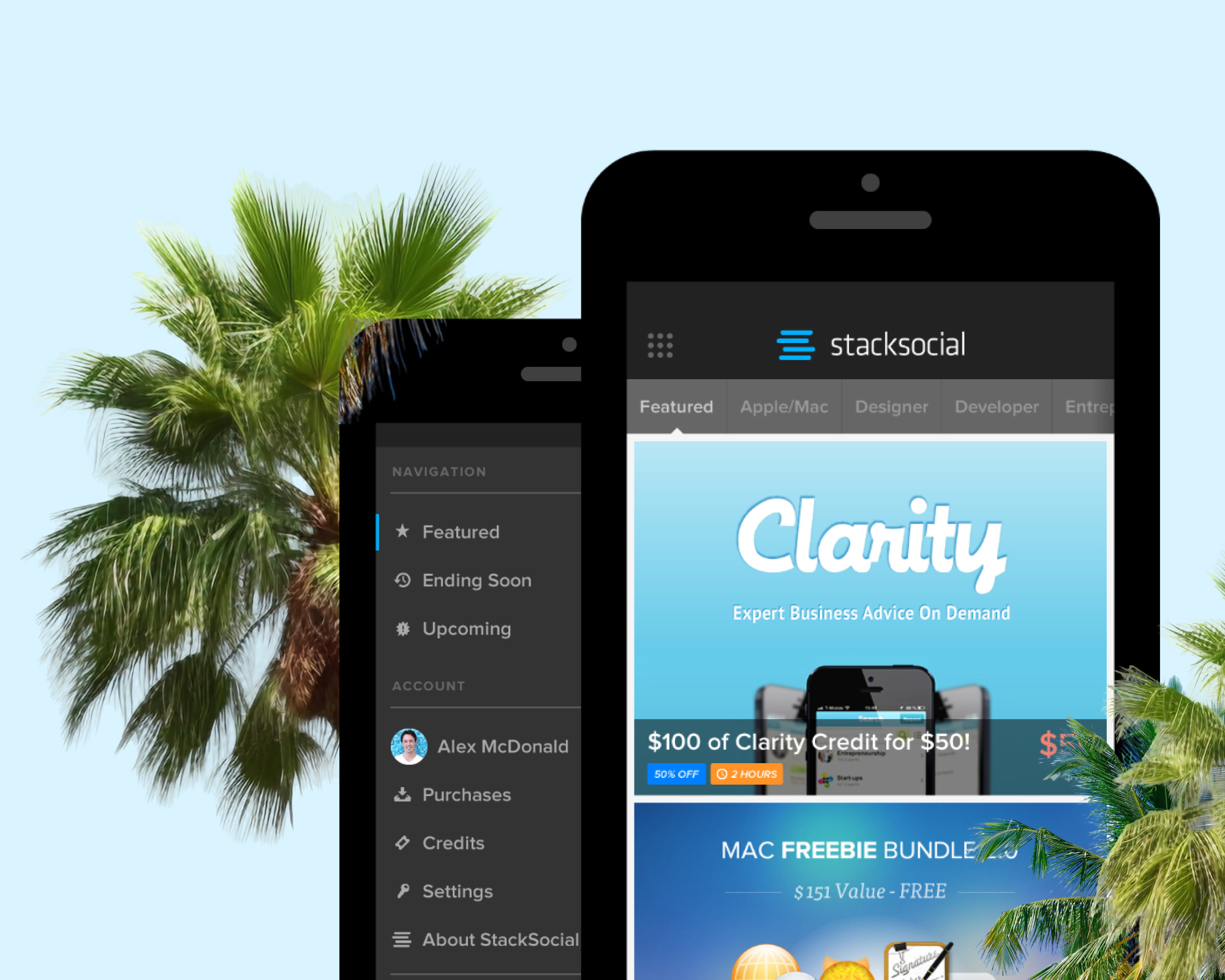
I joined StackSocial as employee #8 and the company’s first full-time in-house designer, starting as Visual/UI Designer before becoming Lead Designer. During my tenure I oversaw a comprehensive rebrand, designed the company’s first mobile app, and assembled a team of junior designers to support the e-commerce company’s rapid growth. I worked closely with the founder, business development team, and developers to shape StackSocial's digital presence across multiple platforms and pave the way for future innovation. In 2014, StackSocial evolved into StackCommerce and was acquired by private-equity firm TPG in 2021.
Role
As one of the first employees at StackSocial, I played a pivotal role in establishing the company’s design strategy and user experience. My focus was on creating a cohesive, innovative, and trustworthy brand identity that could support the growth of a thriving tech marketplace and e-commerce platform.

Crafting a Cohesive Identity
In my first major project, I led a complete rebrand of StackSocial to align with the company’s mission and growth trajectory. From logo design and stationery to web and print assets, my focus was on creating a modern, simple, and tech-forward aesthetic that resonated with both users and partners.

Redesigning a Multi-Channel E-Commerce Platform
Next, I led a comprehensive website redesign to support the company’s rapid growth. The goal was to create a clean, intuitive interface that made discovering and purchasing curated tech deals effortless for users. By streamlining navigation, enhancing visual hierarchy, and optimizing the checkout flow, the redesign improved usability and positioned StackSocial as a leader in multi-channel e-commerce.The updated design seamlessly integrated with the company’s new branding and provided a scalable foundation for future growth, including mobile and tablet platforms.


Designing a Seamless Checkout Flow
The most critical part of the responsive website redesign was the checkout process, which was reimagined to reduce cart abandonment and ultimately increase sales. I implemented visual design elements such as progress indicators and clear CTAs to improve the UX and effortlessly guide users through the checkout flow.I then conducted thorough A/B testing to identify the most effective layout, colors and messaging, in addition to removing unnecessary form fields. With the new redesign we were able to achieve an impressive 33% increase in conversion rates.
Designing the First Mobile App
With mobile UX and the app store still in its early days, my goal was to ensure users could seamlessly browse and purchase curated tech products on mobile just as easily as they could on web. This involved creating a design system that would keep the brand identity consistent across all platforms, along with a lot of research, testing, and experimenting with emerging UX patterns for both iOS and Android.


Keeping Branding Consistent
Beyond the app and website, I designed cross-channel assets to enhance user engagement and drive growth. These included email campaigns, social media graphics, and print materials. Each design was carefully crafted to capture the brand’s voice and deliver a consistent look and feel across digital and physical touchpoints.


Scaling for Growth
As StackSocial grew, so did the demands on its design systems. As Lead Designer, I ensured the brand’s identity and digital assets could evolve with the company’s rapid growth. This included creating templates and guidelines that allowed the design team to stay consistent and efficient as the company scaled.
From Startup to Acquisition
The early design efforts at StackSocial were instrumental in laying the groundwork for its evolution into StackCommerce and acquisition by TPG in 2021. This period highlighted the importance of thoughtful design in driving user engagement and supporting business growth.StackSocial’s success wouldn’t have been possible without the visionary leadership of Josh Payne and the incredible team that brought his ideas to life. Josh’s passion, guidance, and commitment to innovation inspired everyone to push boundaries and deliver something extraordinary. Collaborating with such a talented group of individuals was an honor, and their dedication to building a groundbreaking platform made every challenge a rewarding experience.Working at StackSocial was one of the most impactful experiences of my career. It gave me the chance to help shape a company’s identity during its formative years and see the tangible results of our collective efforts. I’m deeply grateful for the opportunity to contribute, grow, and learn alongside such an inspiring team. This journey taught me invaluable lessons about design, teamwork, and scaling ideas into reality—lessons I carry with me in every project I take on.
Contact
Have a project, idea or initiative in mind? Let's make it happen.
© 2025 Alex McDonald
© 2026 Alex McDonald